Peer Reviewer Process
The Journal of Orange Technology (JOT) is committed to maintaining high standards of academic quality, research integrity, and publication ethics. All submitted manuscripts undergo an objective and independent evaluation to ensure their originality, scholarly relevance, and scientific contribution.
1. Peer Review Model
JOT applies a Double-Blind Peer Review system to maintain impartiality and academic integrity throughout the evaluation process.
| Double-Blind Review
The identities of authors and reviewers remain concealed from each other throughout the review process. |
Independent Evaluation
Each manuscript is assessed by at least two independent reviewers with relevant subject-matter expertise. |
2. Editorial Workflow and Review Timeline
The Journal of Orange Technology (JOT) aims to complete the peer review and publication process within approximately 13 weeks. The complete editorial workflow and estimated processing time are illustrated below.
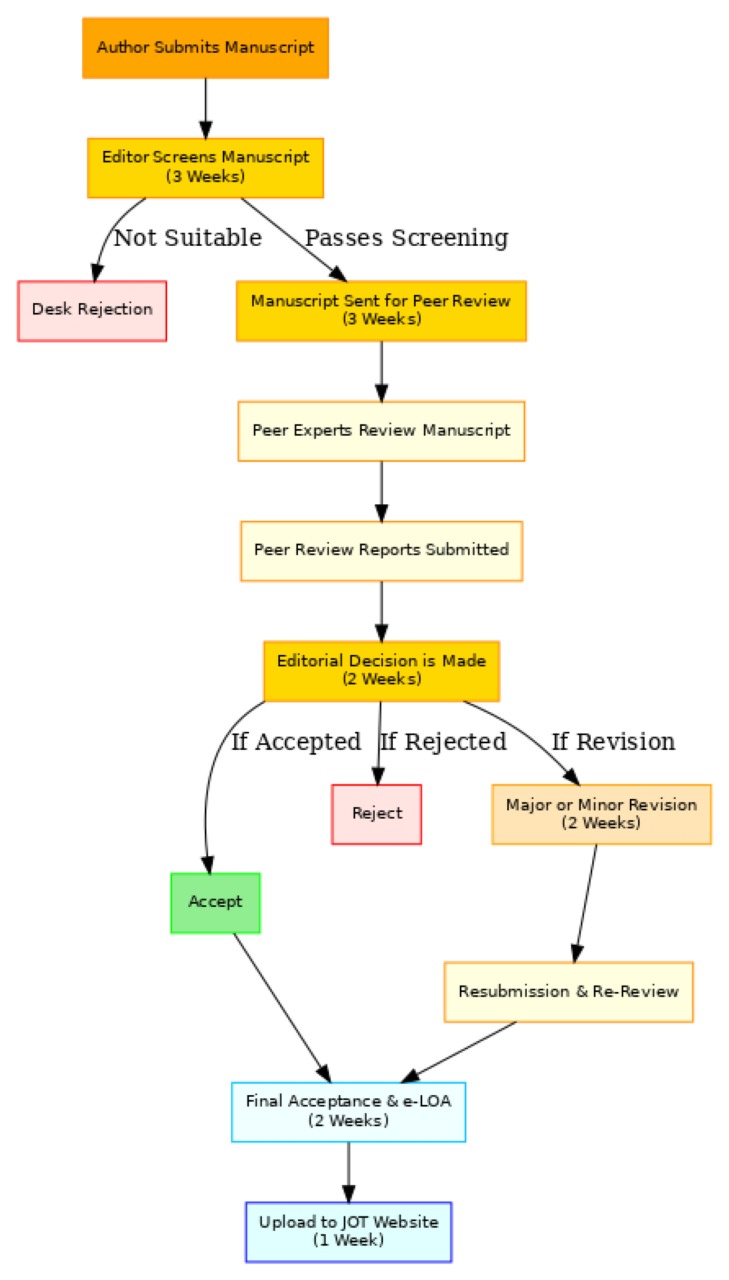
Figure 1. Editorial and Peer Review Workflow of JOT
3. Review Evaluation Criteria
Reviewers assess submitted manuscripts based on the following academic and editorial criteria:
| 01. Originality and Novelty
Originality, research novelty, and contribution to existing knowledge. |
02. Research Significance
Importance of the research problem and relevance to the journal's interdisciplinary focus. |
| 03. Methodological Rigor
Appropriateness of the research design, methods, data collection, and analytical procedures. |
04. Results and Discussion
Validity of findings, quality of interpretation, and consistency between evidence and conclusions. |
| 05. Literature and References
Adequacy, relevance, and critical engagement with scholarly literature. |
06. Humanistic and Societal Impact
Relevance to human well-being, ethical considerations, accessibility, and human-centered technological development. |
4. Editorial Decision Categories
Following the evaluation, the editor communicates one of the following decisions to the corresponding author:
| 01. Accepted
The manuscript is accepted for publication, subject to final editorial and production requirements. |
02. Minor Revision
The manuscript requires limited corrections or clarifications before final acceptance. |
| 03. Major Revision
The manuscript requires substantial improvements. Further evaluation may be necessary. |
04. Rejected
The manuscript does not meet the journal's publication standards or is unsuitable for publication. |
5. Confidentiality and Conflict of Interest
All manuscripts are treated as confidential documents throughout the editorial and peer review process. Editors, reviewers, and editorial staff must not disclose unpublished manuscript information to unauthorized parties.
Reviewers must declare any potential conflicts of interest before accepting an assignment and decline the review if such conflicts could compromise their impartiality. All evaluations must be objective, constructive, and evidence-based.
6. Publication Ethics and Research Integrity
JOT upholds internationally recognized publication ethics principles, including the guidance and core practices of the Committee on Publication Ethics (COPE).
Suspected cases of plagiarism, data fabrication, falsification, duplicate submission, and other forms of publication misconduct are handled in accordance with the journal's publication ethics policies.
The use of Generative AI and AI-assisted technologies in manuscript preparation and peer review must comply with JOT's Generative AI Policies.